
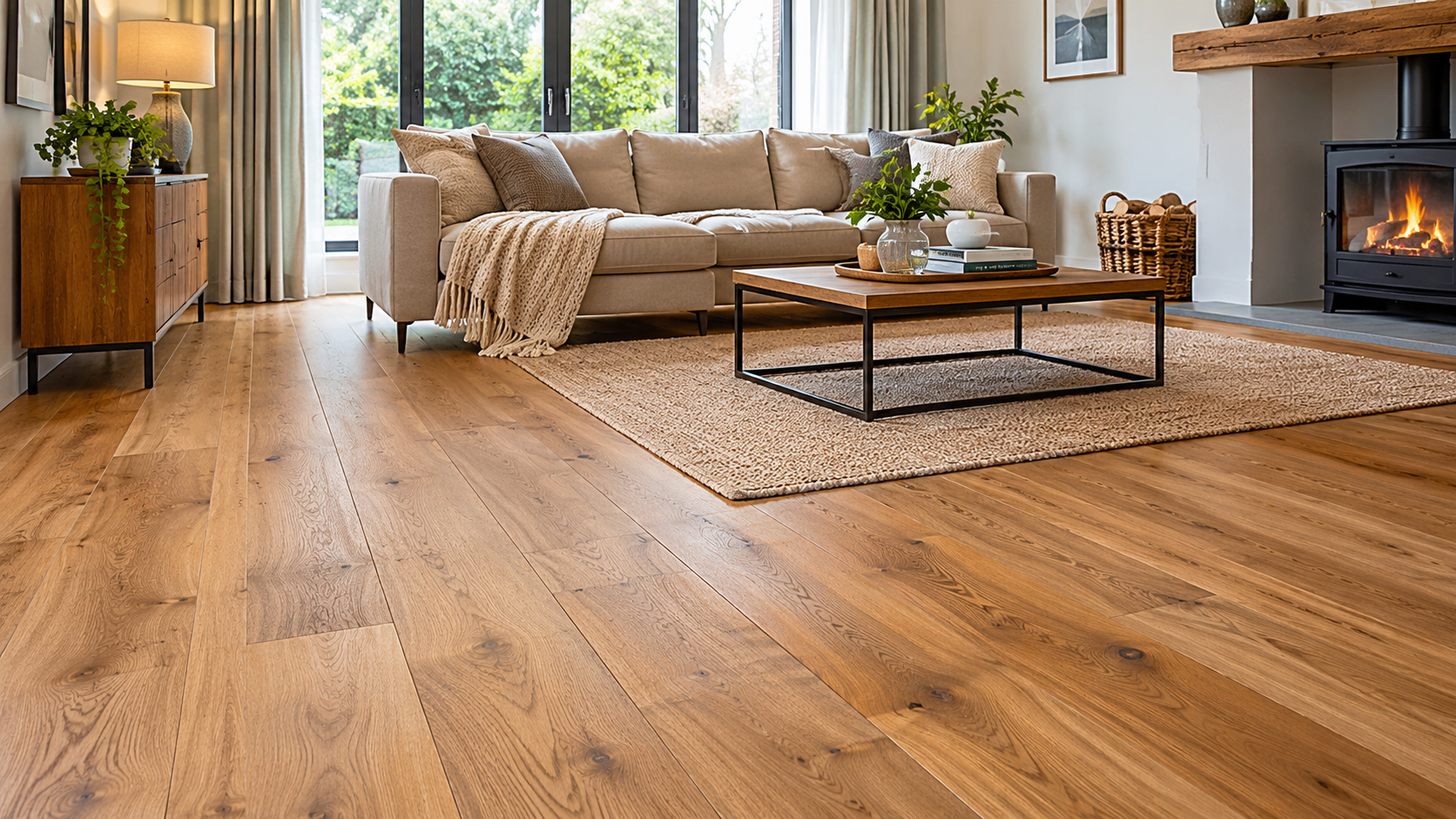
Choosing the right flooring can transform the appearance, comfort and practicality of your home. However, with so many materials available, finding the best option for each room can feel overwhelming.
Laminate, luxury vinyl, engineered wood, solid hardwood and ceramic tiles all offer different advantages. Some materials are better suited to busy family spaces, while others provide warmth, durability or improved moisture resistance. Understanding these differences can help you avoid expensive mistakes.
The best flooring choice depends on several factors. These include your budget, the room’s intended use, maintenance requirements and installation costs. You should also consider foot traffic, moisture exposure and the condition of your existing subfloor.
In this comprehensive guide, we’ll compare popular flooring materials and explain where each option works best. We’ll also explore durability, comfort, installation methods and long-term value. Whether you’re renovating a single room or updating your entire home, you’ll find practical advice to make an informed decision.
What to Consider Before Choosing New Flooring
Before selecting new flooring, consider how each room is used and the conditions the material will face. A busy hallway has different requirements from a quiet bedroom. Similarly, kitchens and bathrooms need flooring that can withstand occasional spills and increased moisture exposure.
Durability is one of the most important considerations. Homes with children, pets or frequent visitors often benefit from flooring that resists scratches, stains and everyday wear. However, a durable surface should also be comfortable and practical for the people using it.
Moisture resistance is another essential factor. Some flooring materials can swell, warp or deteriorate when exposed to excessive water. This makes product specifications particularly important in kitchens, bathrooms, laundry rooms and other moisture-prone areas. Always check whether the manufacturer approves the flooring for your intended location.
Installation requirements can also affect your decision. Certain flooring products use straightforward click-lock systems, making them suitable for experienced DIY enthusiasts. Others require specialist adhesives, precise subfloor preparation or professional installation. These additional requirements can significantly influence the overall project cost.
Finally, consider long-term maintenance and appearance. Some floors need regular sealing, refinishing or specialist cleaning products. Others require little more than routine sweeping and occasional damp cleaning. Choosing flooring that matches your lifestyle will help maintain its appearance and performance over time.

Laminate Flooring: Affordable and Versatile
Laminate flooring is a popular choice for homeowners seeking the appearance of natural timber without the expense of solid hardwood. It typically consists of a fibreboard core, a decorative printed layer and a protective wear surface. Modern designs can closely resemble oak, walnut and other natural materials.
One of laminate flooring’s main advantages is affordability. It is generally less expensive than solid hardwood and many engineered wood products. The protective surface also offers good resistance to everyday scratches and wear. This makes suitable products practical for living rooms, bedrooms and busy hallways.
Installation is another important benefit. Many laminate products feature click-lock joints that allow boards to fit together without adhesive. These floating floor systems can be suitable for confident DIY enthusiasts. However, the subfloor must be properly prepared, and suitable underlay may be required.
Moisture resistance varies considerably between laminate products. Standard laminate can suffer permanent damage when water penetrates the joints or reaches the fibreboard core. Some modern products offer improved water resistance, but this does not automatically make them waterproof. Always check the manufacturer’s specifications before installing laminate in kitchens or other moisture-prone areas.
Laminate flooring is relatively easy to maintain with regular sweeping and appropriate damp cleaning. However, damaged boards generally cannot be sanded and refinished like natural timber. Choosing a suitable wear rating, thickness and product warranty can help ensure long-term performance.

Luxury Vinyl Flooring (LVT and LVP): Practical and Water-Resistant
Luxury vinyl flooring has become a popular alternative to laminate, natural wood and traditional ceramic tiles. It is available in realistic timber, stone and tile-effect designs. Luxury vinyl tiles (LVT) typically imitate stone or ceramic surfaces, while luxury vinyl planks (LVP) resemble wooden floorboards. Both formats can provide a practical finish for modern homes.
One of luxury vinyl’s main advantages is its moisture resistance. Many products feature waterproof materials that resist damage from everyday spills and occasional splashes. This makes suitable luxury vinyl flooring an attractive option for kitchens, bathrooms and utility rooms. However, waterproof flooring does not prevent moisture from reaching the subfloor through joints or perimeter gaps.
Luxury vinyl also offers good comfort underfoot compared with harder surfaces such as ceramic tiles. Many products provide useful resistance to scratches, stains and everyday wear. However, performance varies according to the wear layer, construction and product quality. Heavy furniture, sharp objects and abrasive dirt can still damage the surface.
Installation methods depend on the flooring system. Click-lock luxury vinyl planks can be suitable for experienced DIY enthusiasts, provided the subfloor meets the manufacturer’s requirements. Glue-down products generally demand more extensive preparation and careful adhesive application. An uneven or poorly prepared subfloor can cause visible imperfections and premature flooring problems.
Routine maintenance is usually straightforward. Regular sweeping or vacuuming removes abrasive dirt, while suitable cleaning products help maintain the surface. Avoid excessive heat, harsh chemicals and cleaning methods that conflict with the manufacturer’s instructions. When comparing products, consider the wear layer, warranty, installation requirements and suitability for the intended room.

Engineered Wood Flooring: Natural Beauty and Improved Stability
Engineered wood flooring combines the appearance of genuine hardwood with a layered construction designed to improve dimensional stability. Unlike laminate, engineered wood features a real timber surface rather than a printed decorative layer. This provides the natural grain patterns, colour variations and character associated with traditional wooden flooring.
Most engineered boards consist of a hardwood wear layer bonded to a stable core. The core may contain plywood, high-density fibreboard or other engineered materials. This construction generally reduces expansion and contraction compared with solid hardwood. However, engineered wood can still respond to changes in temperature and humidity.
Engineered wood is a popular choice for living rooms, bedrooms, dining areas and other relatively dry spaces. Many products are also suitable for installation over compatible underfloor heating systems. However, suitability depends on the flooring construction, installation method and manufacturer’s temperature limits. Always check the product specifications before making a purchase.
Installation options vary between products. Some engineered boards feature click-lock joints suitable for floating installations, while others require adhesive or mechanical fixing. Proper subfloor preparation and moisture testing are particularly important. Although engineered wood offers improved stability, prolonged exposure to water can still cause swelling, staining or permanent damage.
Maintenance requirements are similar to those of other natural timber surfaces. Regular sweeping and appropriate cleaning help protect the finish. Some engineered floors can also be sanded and refinished, depending on the thickness of the hardwood wear layer. Higher-quality products may offer a longer service life, making engineered wood an attractive investment for homeowners seeking natural materials.

Solid Hardwood Flooring: Timeless Style and Long-Term Durability
Solid hardwood flooring is manufactured from individual pieces of natural timber rather than multiple bonded layers. Popular species include oak, maple, walnut and ash. Each board features unique grain patterns and colour variations, giving hardwood flooring its distinctive character. With appropriate care, a well-installed hardwood floor can remain attractive and functional for decades.
One of solid hardwood’s greatest advantages is its potential for refinishing. Many traditional hardwood floors can be sanded and refinished several times throughout their service life. This allows homeowners to remove surface wear, repair minor scratches and refresh the appearance of ageing boards. However, refinishing potential depends on board thickness, construction and previous sanding.
Solid hardwood is particularly suitable for living rooms, dining rooms, bedrooms and other relatively dry areas. Its natural appearance can complement traditional and contemporary interiors. However, timber expands and contracts as humidity changes. Excessive moisture can cause cupping, warping or gaps between boards. For this reason, solid hardwood is generally unsuitable for bathrooms and other consistently damp environments.
Installation requires careful planning and preparation. Many solid hardwood products need to be nailed, stapled or glued to a suitable subfloor. The timber may also require acclimatisation according to the manufacturer’s instructions. Professional installation is often advisable, particularly when working with expensive materials or complicated room layouts. Solid hardwood is generally unsuitable for installation over underfloor heating unless specifically approved by the manufacturer.
Regular maintenance helps preserve the appearance and performance of hardwood flooring. Sweep or vacuum frequently to remove abrasive dirt, and use cleaning products suitable for the floor’s finish. Protect high-traffic areas with appropriate mats and fit protective pads beneath furniture. Although solid hardwood often costs more initially, its longevity and refinishing potential can provide excellent long-term value.

Ceramic and Porcelain Tile Flooring: Durable and Moisture-Resistant
Ceramic and porcelain tiles are popular flooring choices for kitchens, bathrooms, hallways and other busy areas. Both materials are manufactured from clay and fired at high temperatures. They are available in numerous colours, sizes, textures and finishes. Modern designs can also imitate natural stone, timber and concrete.
Although ceramic and porcelain tiles share many characteristics, there are important differences. Porcelain tiles are generally denser and have lower water absorption than standard ceramic tiles. This makes suitable porcelain products particularly useful in moisture-prone areas and demanding environments. However, both materials are available in different performance grades, so always check their intended applications.
Durability is one of tiled flooring’s greatest advantages. Suitable floor tiles can resist everyday wear, stains and moisture when correctly installed. They are also relatively easy to clean and maintain. However, tiles can crack if the subfloor moves or heavy objects strike the surface. Grout joints may also require periodic cleaning and maintenance.
Installation is more demanding than many floating flooring systems. The subfloor must be stable, sufficiently rigid and properly prepared. Tiles require suitable adhesive, consistent spacing and appropriate grout. Wet areas also need correctly designed waterproofing beneath the tiled finish. Professional installation may be worthwhile, especially for large-format tiles or complicated layouts.
Comfort and safety are important considerations when choosing tiles. Hard surfaces can feel cold underfoot, although compatible underfloor heating can improve comfort. Some glazed tiles become slippery when wet, so select an appropriate slip-resistant finish for bathrooms and entrances. With suitable materials, proper installation and routine maintenance, tiled flooring can provide excellent long-term performance.

Choosing the Best Flooring for Each Room
Different rooms place different demands on flooring materials. A suitable choice should balance appearance, durability, comfort, moisture resistance and maintenance requirements. The following recommendations can help you narrow down your options.
Living Rooms: Laminate, engineered wood and solid hardwood are popular choices for living spaces. They provide attractive finishes and complement a wide range of interior styles. Luxury vinyl is another practical option, particularly for households with children or pets. Consider comfort, scratch resistance and the amount of daily foot traffic.
Bedrooms: Comfort and appearance are often the main priorities in bedrooms. Engineered wood, solid hardwood and laminate can create a warm, welcoming atmosphere. Luxury vinyl also offers a practical alternative with straightforward maintenance. Consider using suitable rugs to improve comfort and reduce noise.
Kitchens: Kitchen flooring must withstand frequent cleaning, spills and everyday activity. Porcelain tiles and suitable luxury vinyl products are often practical choices. Some water-resistant laminate products may also be appropriate when approved by the manufacturer. Pay particular attention to moisture resistance, slip resistance and cleaning requirements.
Bathrooms and Laundry Rooms: These areas require flooring designed for regular moisture exposure. Suitable porcelain or ceramic tiles are common choices, provided the underlying waterproofing is correctly installed. Certain luxury vinyl products can also be suitable when installed according to the manufacturer’s instructions. Avoid flooring that cannot tolerate the expected moisture conditions.
Hallways and Entrances: High foot traffic, outdoor dirt and occasional moisture make durability especially important. Porcelain tiles, suitable luxury vinyl and hard-wearing laminate can perform well in these locations. Choose surfaces that resist wear and are easy to clean. Entrance mats can also help protect flooring from abrasive dirt and moisture.
Flooring Comparison: Which Material Is Right for You?
| Flooring type | Cost level | Moisture resistance | Best suited for |
|---|---|---|---|
| Laminate | Low–Medium | Low–Moderate* | Bedrooms, living rooms, hallways |
| Luxury vinyl | Low–High | High* | Kitchens, bathrooms, living rooms |
| Engineered wood | Medium–High | Low–Moderate | Living rooms, bedrooms, dining rooms |
| Solid hardwood | High | Low | Living rooms, bedrooms, dining rooms |
| Ceramic/porcelain tiles | Low–High | High* | Kitchens, bathrooms, entrances |
Flooring Costs: Budgeting Beyond the Price per Square Metre
The advertised price of flooring materials is only one part of the overall project cost. When comparing options, calculate the total expense rather than focusing solely on the price per square metre. Installation, preparation and additional materials can make a significant difference to your final budget.
Start by measuring the room accurately and calculating the required flooring area. Allow additional material for cutting, waste and potential mistakes. The amount needed depends on the flooring type, room layout and installation pattern. Complicated layouts and diagonal designs generally produce more waste than straightforward installations.
Subfloor preparation is another important expense. Uneven surfaces may require levelling compounds, repairs or replacement boards. Some installations also need moisture barriers, suitable underlay or specialist adhesives. Ignoring these requirements can lead to premature flooring problems and expensive remedial work.
Installation costs vary according to the material and complexity of the project. Click-lock laminate and luxury vinyl may offer opportunities for confident DIY enthusiasts to reduce labour costs. However, hardwood flooring and ceramic tiles often require greater skill and specialist equipment. Professional installation may provide better value when mistakes could damage expensive materials.
Finally, remember to include finishing accessories and long-term maintenance. Skirting boards, thresholds, transition strips and door adjustments can increase the initial cost. Some flooring materials also require periodic sealing, refinishing or specialist cleaning products. A realistic budget should account for both installation expenses and future maintenance requirements.

Common Flooring Buying Mistakes to Avoid
Choosing flooring based entirely on appearance is a common mistake. An attractive material may not provide the durability, moisture resistance or maintenance characteristics your room requires. Always consider how the space will be used before selecting a particular design or finish.
Another mistake is focusing only on the initial purchase price. Inexpensive flooring may become costly if it requires extensive preparation, specialist installation or frequent replacement. Compare the total project cost and expected service life rather than simply choosing the cheapest product.
Failing to check moisture resistance can also cause serious problems. Standard laminate and natural timber flooring may suffer damage when exposed to excessive water. Even waterproof flooring products cannot automatically protect the underlying subfloor. Always follow the manufacturer’s recommendations for kitchens, bathrooms and other moisture-prone locations.
Poor subfloor preparation is another frequent cause of flooring problems. Uneven, unstable or damp surfaces can affect the performance of otherwise suitable materials. Before installation, check the manufacturer’s requirements for flatness, moisture levels and structural stability. Correcting problems beforehand is usually easier than repairing a completed floor.
Buying insufficient materials can delay a project and create difficulties matching replacement products. Calculate the required area carefully and allow for cutting waste. Where appropriate, purchase additional material for future repairs. Flooring colours, finishes and production batches may change over time.
Finally, avoid overlooking installation instructions and maintenance requirements. Incorrect adhesives, unsuitable underlay or insufficient expansion gaps can cause premature damage. Some products also require specific cleaning methods or environmental conditions. Understanding these requirements before purchasing will help protect your investment.
Final Thoughts: Choosing Flooring That Suits Your Home
Choosing the right flooring involves more than selecting an attractive colour or finish. The best option should complement your home while meeting the practical demands of each room. Durability, moisture resistance, comfort, maintenance and overall cost all deserve careful consideration.
Laminate flooring offers an affordable way to achieve the appearance of natural timber. Luxury vinyl provides a practical alternative for many busy and moisture-prone spaces. Engineered wood combines genuine timber with improved dimensional stability, while solid hardwood offers traditional character and refinishing potential. Ceramic and porcelain tiles provide durable surfaces for kitchens, bathrooms and other demanding environments.
Before making a final decision, compare product specifications and calculate the complete installation cost. Check the condition of your subfloor and consider whether professional installation is necessary. Choosing suitable materials and following the manufacturer’s instructions can help prevent expensive problems.
Whether you’re updating a single bedroom or renovating your entire home, careful planning will help you achieve lasting results. Take time to compare your options, request samples and consider how each material will perform over time. The right flooring investment can improve your home’s appearance, comfort and everyday practicality for years to come.
Planning a wider home improvement project? Explore our guide to ten budget-friendly renovation projects with maximum impact for more practical ways to transform your home.
Looking for more practical advice on tools, materials and home improvement projects? Visit our Rivet & Rule Resources page to explore our growing collection of guides and recommendations.
Interested in tackling more DIY projects around your home? Explore our Woodworking Guides for practical advice on tools, materials and techniques to develop your skills.